.svg)
.svg)
.svg)


How to Reset a Boiler Safely (and what to do if it locks out)
A clear, step‑by‑step guide to resetting your boiler safely and knowing when it is time to call an expert.
When your boiler suddenly stops and shows a fault light or code, it is tempting to keep hitting the reset button until it works. Used properly, reset can get you back up and running, but it is also your boiler’s way of telling you something is not quite right. Understanding how to reset safely, and when to stop, can save you stress and keep your home safe.
What a boiler reset actually does
Modern boilers are designed to lock out when they detect a problem that could damage the appliance or make it unsafe. Resetting clears the fault state and tells the boiler to try again from fresh.
A single successful reset after a one-off issue is usually nothing to panic about. However, repeated lockouts often point to an underlying fault that needs a Gas Safe engineer to diagnose and repair.
Common reasons boilers lock out
Boiler lockouts can be triggered by several everyday issues. Some are simple to check from outside the case, others require professional attention.
Typical lockout triggers include:
- Low water pressure in the heating system, often due to small leaks or recent bleeding of radiators
- Ignition problems, such as no flame being detected or gas supply interruptions
- Condensate pipe issues, including freezing or blockages in cold weather
- Control settings, for example the thermostat, programmer or timer not calling for heat
- Overheating caused by poor water circulation or blocked filters
You should never remove the boiler casing to investigate. Anything inside the sealed case must be left to a Gas Safe registered engineer.
Finding the boiler reset button
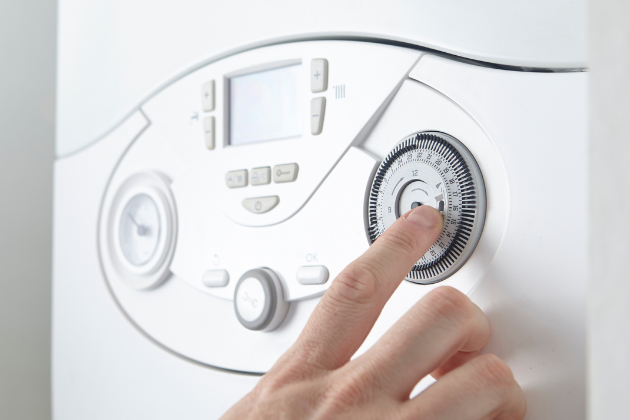
On most modern boilers, the reset function is on the front control panel. It may be a marked button, a dial position or sometimes an option on a digital display.
Look for a button labelled reset or a symbol such as a circular arrow. Some boilers require you to hold the button for a few seconds, others need you to turn a selector to the reset position then back again. If you are unsure, check the user manual for your exact model.
Safety checks before you reset
Before touching the reset button, take a minute to check a few basics. This can prevent you from repeatedly resetting an unsafe or damaged boiler.
Work through these points from outside the case only:
1. Check system pressure
The pressure gauge is usually on the front of the boiler or just underneath. Most domestic systems run around 1.0 to 1.5 bar when cold. If the needle is in the red or clearly below the marked normal range, do not keep resetting. Topping up pressure via the filling loop should only be done if you are confident and there are no leaks. If pressure will not hold, you need an engineer.
2. Look for visible leaks
Check around the boiler, nearby pipework and any visible valves for dripping water, staining or puddles. A leaking system can cause pressure loss and internal damage. If you see leaking, switch the boiler off and call an engineer.
3. Listen and smell
If you hear loud banging, grinding or anything unusual, or you smell gas, do not reset the boiler. Turn it off at the main boiler switch, open windows and follow gas safety advice, including contacting the gas emergency number.
4. Check controls and programmer
Make sure the room thermostat is turned up above the current room temperature and set to heating mode. Check the programmer or timer is not set to off or holiday mode. Sometimes the boiler is fine, but the controls are simply not calling for heat.
How to reset a boiler safely
Once you have done the basic checks and are satisfied there are no obvious leaks, no smell of gas and pressure is within the normal range, you can try a reset.
Follow these general steps:
1. Turn the boiler off using the main power switch on the unit or nearby fused spur, and wait 30 seconds.
2. Turn the power back on so the control panel lights up again.
3. Press and hold the reset button for the time stated in your user manual, usually 3 to 10 seconds, or move the control dial to the reset position and back again if that is how your boiler works.
4. Wait for the boiler to restart. This may take several minutes while it runs checks and attempts ignition.
Do not repeatedly press the reset button. If the boiler does not start after one or two attempts, or it locks out again shortly afterwards, turn it off and arrange an engineer visit.
Checks after a reset
Once the boiler appears to be running again, keep an eye on it for the next 15 to 30 minutes. Make sure radiators begin to warm and hot water comes through as expected.
Watch the pressure gauge as the system heats up. Some rise in pressure is normal, but it should not repeatedly hit the upper red zone or trip the boiler again. If the fault code or warning light returns, stop using the boiler and get it checked professionally.
Simple Boiler Troubleshooting Guide
Use this quick guide to decide what to do next:
- If pressure is below the normal range: Do not keep resetting. If you know how to safely top up pressure and there are no signs of leaks, you can try once. If pressure keeps dropping, call an engineer.
- If you smell gas at any point: Turn the boiler off, do not reset, open windows and follow gas emergency guidance. Contact the gas emergency service and then a Gas Safe engineer.
- If there is visible leaking: Switch the boiler off, place a container under any drips if safe, and call an engineer. Do not attempt to reset.
- If the boiler repeatedly locks out: Stop resetting. Persistent lockouts signal an underlying fault that needs professional diagnosis.
- If the same error code keeps returning: Make a note of the code, turn the boiler off and arrange a visit from a Gas Safe engineer.
In all of these cases, forcing the boiler to run with constant resets can cause further damage and may be unsafe.
Information to have ready when calling an engineer
Having a few details to hand makes it easier for an engineer to help you quickly and bring the right parts. Before you call, note down the:
Boiler make and model
This is usually on the front of the boiler or on a data plate behind a small flap. You may also find it in your user manual.
Error code or warning light
Write down exactly what appears on the display or how the lights are flashing. A photo on your phone can be useful too.
What happened before the fault
For example, were you running heating and hot water at the same time, did radiators just get bled, has the weather suddenly turned very cold, or has any work been done on your plumbing or gas recently.
What you have already tried
Let the engineer know if you have checked pressure, tried a single reset or noticed any leaks or noises. Clear information helps them assess urgency and plan the repair.
Safety note and next steps
Simple checks and an occasional reset are fine from outside the case, but anything involving the internal components, gas supply, flue or wiring is strictly a job for a Gas Safe registered engineer.
If your boiler keeps locking out, needing frequent resets or showing worrying symptoms, it is time for a proper diagnosis rather than another press of the reset button.
For professional help with persistent lockouts, pressure problems or error codes, contact Pro Plumbers and book a visit from a Gas Safe engineer. Call 01732 444555 to arrange a thorough boiler diagnosis and repair so your heating and hot water are reliable again.