.svg)
.svg)
.svg)


Toilet Keeps Running? Common Causes and How to Fix It
Simple checks and fixes to stop a constantly running toilet before it wastes more water and money.
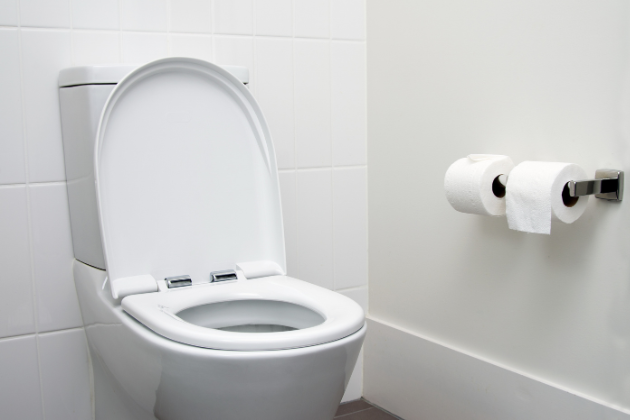
If your toilet keeps running long after you have flushed, it can be annoying to listen to and expensive on your water bill. The good news is that many causes are simple, and a few safe checks can often point you in the right direction.
How a toilet cistern works in plain English
To understand what is going wrong, it helps to know the basic parts inside the cistern. Take the lid off carefully and set it somewhere safe before you start looking inside.
The fill valve and float control how much water comes into the cistern. As the water rises, the float rises with it and tells the valve to shut off at the correct level. The flush valve and diaphragm or flapper hold the water in the cistern until you press the handle or button, then lift to let water rush into the pan.
At the centre you will see an overflow pipe. If the water level is set too high or the fill valve does not shut off, excess water will run into this pipe and straight down into the toilet bowl.
Typical reasons a toilet keeps running
Most constantly running toilets are caused by a small issue with one of these internal parts. Knowing the usual suspects can save a lot of trial and error.
- Worn flapper or washer letting water leak from the cistern to the bowl
- Water level set too high so it trickles into the overflow pipe
- Debris in the fill valve preventing it from shutting fully
- Sticking or waterlogged float so the valve never closes properly
Occasionally, the problem is due to badly corroded internal fittings or damage to the cistern itself. These situations usually call for a professional rather than home repair.
Safe checks you can do before calling a plumber
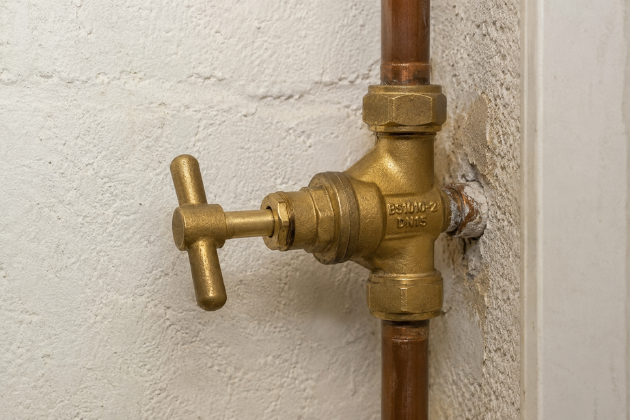
Before you start, turn off the isolation valve feeding the toilet if you can see one. This is usually a small metal valve on the pipe going into the cistern. Turn it gently a quarter turn with a flathead screwdriver so the slot is across the pipe.
Check the overflow and water level
With the lid off, flush the toilet and watch the water level rise. The water should stop around 2 to 3 centimetres below the top of the overflow pipe.
If water is running into the overflow, the level is set too high or the fill valve is not shutting off. Lowering the water level is often a simple adjustment and can stop the constant running.
Adjust the float height
Modern toilets often have a plastic float that slides up and down a rod on the fill valve. There is usually a small screw or clip that lets you adjust the height.
Turn the screw a little at a time or move the clip down slightly to lower the float. Turn the water back on, let the cistern refill and check the level again. Aim to keep it below the top of the overflow pipe.
Look for a worn flapper or washer
If the water level is stable but you still hear a slow trickle, the flush valve seal may be leaking. On some toilets this is a rubber flapper that lifts when you flush. On others there is a circular diaphragm or washer underneath the flush mechanism.
Gently press down on the flapper or seal. If the noise stops while you hold it, the seal is likely worn or warped and allowing water to escape. Replacing seals is cheap, but the work can be fiddly and varies by toilet design.
Clear minor debris from the fill valve
Scale and tiny bits of grit can stop a fill valve closing cleanly. If you can see a removable cap on top of the valve, it may be possible to lift it off carefully and check for small particles.
Turn off the water first, then follow any instructions printed on the valve. A gentle rinse under a tap or a wipe with a clean cloth can sometimes solve the problem. If parts look brittle or cracked, do not force them, as they can snap easily.
When it is best to call a plumber
There is a clear line between sensible checks and work that is better left to a professional. Ignoring that line can lead to leaks, damage and higher repair costs later on.
Call a qualified plumber if you notice any of the following:
- The toilet will not stop running even after float and level adjustments
- Internal parts look heavily corroded, rusted or fragile
- You have a concealed or in-wall cistern with limited access
- The same problem keeps coming back after short-term fixes
- You see damp patches, staining or peeling paint around the toilet area
In these cases, professional testing and possibly replacing the fill or flush valves, or even the full cistern mechanism, is usually the safest route.
Simple steps to prevent future toilet troubles
Once your toilet is working properly again, a few small habits can help keep it that way. Prevention is often cheaper and easier than repeated repairs.
Hard water can lead to limescale build-up on moving parts. If you live in a hard water area, consider using gentle descaling products in the cistern parts as recommended by the manufacturer, or fit a water softener for the whole house if appropriate.
When cleaning, avoid harsh chemicals or heavy-handed scrubbing on the internal plastic parts. A soft cloth and mild cleaner are usually enough to keep things free of grime without damaging seals or washers.
Need help fixing a running toilet?
If your toilet keeps running despite your best efforts, or you would rather a professional handled any general plumbing repairs, expert help is close at hand. A constantly running toilet wastes water, pushes up bills and can be a sign of more serious wear inside the cistern.
For reliable repair or replacement of faulty cistern parts, contact PRO PLUMBERS on 01732444555. An experienced plumber can quickly identify the cause, fit quality replacement components and leave your toilet flushing smoothly again.