.svg)
.svg)
.svg)


Radiator Not Heating Up? 9 Fixes Before You Call a Plumber
Simple checks to get cold radiators warming up again before you pick up the phone.
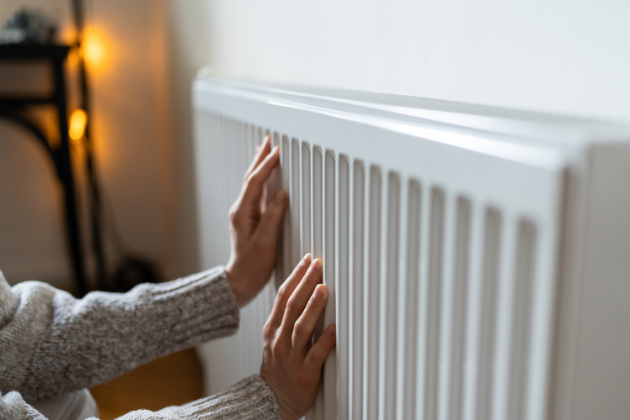
If a radiator is not heating up it can be frustrating, especially when the rest of the house feels chilly. Before you assume the worst, there are several simple checks you can carry out safely that often get things working again without needing a call out.
First question: one radiator or the whole system?
Start by walking around your home and feeling each radiator carefully. Pay attention to whether they are warm at the top and bottom and if any are completely cold.
If only one radiator is not heating up, the problem is usually local to that radiator. If all or most radiators are cold, or only lukewarm, you may have a boiler, pump or system-wide issue that needs a different approach.
- One or two radiators cold: likely air, stuck valves or balancing issues
- All radiators cold: check boiler, controls and system pressure first
- Downstairs cold, upstairs hot: often a circulation, pressure or balancing problem
Radiator cold at the top: bleeding usually helps
A radiator that feels hot at the bottom but cold at the top almost always has trapped air. This air stops hot water reaching the top panel, so the room never fully warms up.
To bleed a radiator, you will need a radiator key and an old cloth. Make sure the heating is off and the radiator has cooled slightly before you start.
Safe steps to bleed a radiator
Place the cloth under the bleed valve at the top of the radiator. Turn the valve anti-clockwise very slightly until you hear a hiss of air. When water starts to flow steadily, close the valve firmly but not excessively tight.
After bleeding one or more radiators, check your boiler pressure, as releasing air can sometimes drop it below the recommended level. If you repeatedly get large amounts of air, or the same radiator needs bleeding often, that can indicate a deeper issue and is a good time to speak to a professional.
Radiator cold at the bottom: sludge or poor flow
If the top of the radiator is hot but the bottom is cold, this often points to sludge, rust and debris collecting in the lower section. Over time this buildup restricts flow and reduces heat output.
Light cold spots can sometimes be improved by balancing radiators and making sure valves are fully open. However, if a radiator remains stubbornly cold at the bottom, or you hear gurgling and kettling noises from the system, it is likely that a power flush or similar cleaning is needed.
When you bleed a radiator and the water that comes out is dark brown or almost black, that is another sign of sludge. In that case, get professional advice rather than trying to fix it yourself.
Radiator cold but pipes hot: valve or TRV issue
If the pipes feeding the radiator are hot but the radiator itself is cold, the water is reaching the area but not circulating through the panel. This usually points to a stuck valve or thermostatic radiator valve (TRV).
First, check that both the TRV (if fitted) and the lockshield valve on the other side are fully open. Turn the TRV to maximum and, using an adjustable spanner if needed, turn the lockshield gently anti-clockwise a small amount.
Freeing a stuck TRV head safely
Sometimes the pin under the TRV head sticks in the closed position, especially after summer when it has been off for months. You can carefully remove the TRV head and check the small metal pin underneath.
The pin should move up and down a few millimetres when gently pressed. You can wiggle it softly with your finger to free it, but never use pliers or force. If the pin does not move easily or leaks when touched, stop and call a plumber.
Upstairs hot, downstairs cold
If radiators upstairs are hot but downstairs are cold or only lukewarm, the system may not be balanced correctly or the circulation pressure may be low. Gravity makes it easier for water to reach upper floors when pressure is marginal.
Basic balancing involves slightly closing the lockshield valves on radiators that heat up too quickly and making sure cooler rooms are more open, so hot water is shared more evenly. Make very small adjustments, then wait 15 to 20 minutes to see the effect.
If several downstairs radiators remain cold despite valves being open, check your boiler pressure and controls, and then seek professional help if the problem continues.
Programmer, room thermostat and TRV checks
Before assuming there is a fault, make sure your heating is actually being told to switch on. Check that the programmer or timer is set to heating on, not just hot water, and that the current time and schedule are correct.
Confirm the main room thermostat is set higher than the current room temperature, otherwise the boiler will not fire. Also look at individual TRVs: if they are set too low, that room will not heat properly even if the rest of the system is working.
Boiler pressure and lockout links
On most sealed systems, low boiler pressure can cause radiators to be cold or only partly warm. Check the pressure gauge on the front of your boiler; typically it should be around 1.0 to 1.5 bar when cold, but always follow your manufacturer’s guidance.
If the pressure is too low, you may need to top it up using the filling loop. For detailed guidance, see your boiler manual and your heating company’s boiler pressure advice page, or the relevant article your installer has provided.
If the boiler has locked out or is showing error lights or codes, try a simple reset following the manual. If the fault returns, do not repeatedly reset it: this is a clear sign to arrange a professional boiler repair.
Quick checklist before calling a plumber
- Checked programmer, thermostat and TRV settings are calling for heat
- Felt all radiators to see which are cold at top, bottom or all over
- Bled radiators with cold tops and rechecked boiler pressure
- Confirmed valves on problem radiators are open and not obviously stuck
- Looked for warning signs such as brown water, leaks or loud boiler noises
What to avoid for safety
There are several tasks you should leave strictly to qualified engineers. Never remove the boiler casing or attempt to access internal components. This can be dangerous and will usually invalidate any warranty.
Do not force stuck valves with excessive pressure or tools, as this can cause leaks or damage pipework. Avoid using chemical cleaners without professional advice, as the wrong product can harm seals and components and create more problems.
When it is time to call a professional
If multiple radiators are not heating up, or issues return soon after you bleed or balance them, it is sensible to involve a qualified plumber or heating engineer. Repeated air build-up, very dark brown water during bleeding, or radiators that stay cold at the bottom all point towards sludge and circulation problems.
Other red flags include a noisy boiler, banging or kettling sounds, visible leaks anywhere on the system, or a boiler that keeps locking out. These are not DIY jobs and should be investigated promptly to prevent further damage.
For suspected sludge issues and stubborn cold radiators, consider booking a professional power flushing service. If your boiler, controls or pressure seem to be the root of the problem, a specialist boiler repair is the safest option. For any other concerns with valves, pipework or individual radiators, you can arrange expert help through general plumbing services.
Pro Plumbers (Kent) Limited can assess your system, explain the most cost-effective fix and get your heating working reliably again. To discuss your radiator issues or book a visit, call Pro Plumbers (Kent) Limited today on 01732 444555.
Radiator not heating up FAQs
How long should it take for radiators to heat up?
Most radiators should start to feel warm within 10 to 15 minutes of the heating coming on, and reach full temperature in around 30 minutes. Larger systems or very cold houses may take longer, but if one radiator stays cold while others are hot, there is likely a local fault.
Is it safe to have one radiator turned off?
Yes, having a single radiator turned off at the valves is generally safe, especially in unused rooms. However, turning off several radiators can affect system balancing and may cause pressure or circulation issues, so it is better to turn them down rather than fully off.
How often should I bleed my radiators?
In a healthy system, you might only need to bleed radiators once a year or after any work that involves draining the system. If you need to bleed them every few weeks, or you keep getting a lot of trapped air, that suggests a problem that should be checked by a professional.
Can low boiler pressure stop radiators from heating?
Yes, if the boiler pressure is too low, hot water may not circulate properly, leaving radiators cold or barely warm. Topping up the system to the correct pressure often restores normal operation, but if pressure keeps dropping there is likely a leak or component fault that needs expert attention.
Will a power flush fix cold radiators?
If sludge and debris are blocking your radiators or pipework, a professional power flush can significantly improve heat output and overall efficiency. Your heating engineer can test the system first to confirm whether power flushing is appropriate or if another solution would be better.